
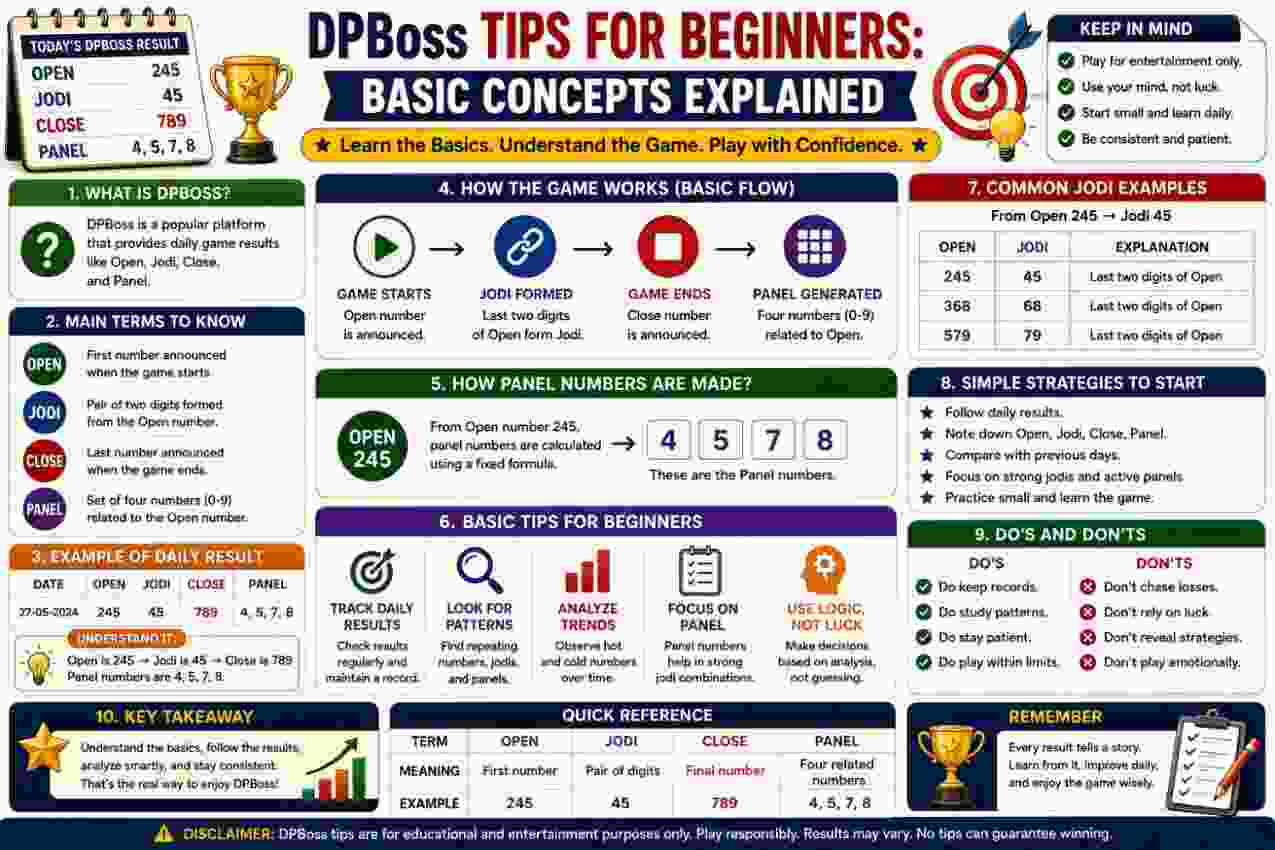
Every beginner starts with questions about chart layouts, numerical records, and commonly used terms. A clear explanation of basic concepts creates a stronger foundation and reduces confusion while reviewing organized information. Moreover, familiarity with essential terminology helps readers interpret records more efficiently and navigate different chart formats with greater confidence. Building this knowledge step by step supports a more structured and informed approach from the beginning.
What Is DPBoss?
Many readers encounter DPBoss while searching for structured numerical records and historical charts. Its layout presents information in an organized format that allows users to review different entries in a systematic way.
Instead of displaying scattered values, the information usually follows a consistent arrangement. Consequently, readers can locate dates, compare records, and review numerical sequences with less effort.
Because the presentation remains structured, beginners often find it easier to become familiar with chart organization after repeated observation.
Why Should Beginners Know Basic Terminology?
A strong vocabulary improves chart reading and reduces unnecessary mistakes. Therefore, beginners benefit from recognizing commonly used terms before reviewing detailed records.
Important advantages include:
- Better interpretation of chart layouts
- Faster navigation through records
- Easier comparison of numerical entries
- Greater familiarity with organized sections
- Reduced confusion while reading
- Improved confidence during review
Moreover, knowing the meaning of common terms creates a smoother reading experience across different chart formats.
Common Terms Every Beginner Should Know
Several expressions appear repeatedly in numerical charts. Consequently, becoming familiar with them supports a more accurate interpretation.
Result
A result represents the recorded numerical value displayed for a specific entry or date.
Chart
A chart organizes information into rows and columns for easier reading and comparison.
Panel
A panel groups related numerical values into separate sections within a larger layout.
Record
A record consists of one complete entry associated with a particular date or sequence.
History
History refers to previously recorded information arranged in chronological order.
Recognizing these basic terms helps beginners navigate structured layouts more comfortably.
Importance of Reading Layout Before Values
Many new readers immediately focus on numbers while ignoring the chart structure. However, reviewing the layout first creates better context for interpretation.
A typical layout includes:
- Title section
- Date column
- Numerical entries
- Organized rows
- Grouped panels
- Historical records
Examining these components before reading values improves navigation and reduces errors caused by overlooking structural details.
How Organized Charts Improve Clarity?
Clear organization allows readers to locate information quickly without searching unrelated sections.
Rows remain aligned, dates follow a logical order, and values appear in designated positions. Consequently, beginners can review records with greater consistency.
Moreover, organized formatting supports comparison across multiple entries while maintaining readability. Instead of relying on memory, readers benefit from a structured presentation that keeps related information together.
Because clarity influences interpretation, paying attention to layout remains just as important as reviewing numerical values.
How to Read Charts Step by Step?
A systematic approach helps beginners review information more accurately. Therefore, following a fixed sequence creates better reading habits from the beginning.
Start with the Heading
The heading identifies the chart and provides context before readers examine individual values.
Check the Date
Each record usually corresponds to a specific date. Moreover, confirming the date prevents comparisons between unrelated entries.
Read the Complete Row
Instead of focusing on one number, review the entire row to maintain proper context.
Compare Similar Sections
Meaningful comparison requires equivalent records rather than unrelated values.
Continue Chronologically
Reading in sequence preserves the logical flow of information and improves consistency.
Following these simple steps creates a stronger foundation for interpreting structured records.
Difference Between Main Chart and Panel Chart
Beginners often encounter both formats and assume they serve the same purpose. In contrast, each layout organizes information differently.
The Main Chart presents records in a straightforward chronological order, making navigation quick and simple. Consequently, many first-time readers prefer this format.
The Panel Chart divides information into grouped sections that allow side-by-side comparison of related values. Moreover, this arrangement provides additional structural detail but requires closer attention.
Recognizing these distinctions helps beginners select the layout that matches their reading preferences.
Common Mistakes Beginners Should Avoid
New readers frequently repeat similar mistakes while reviewing organized records.
Some of the most common errors include:
- Ignoring chart titles
- Skipping dates during comparison
- Reading rows out of sequence
- Comparing unrelated sections
- Overlooking panel divisions
- Focusing on isolated values
- Assuming missing information
- Rushing through historical records
Avoiding these habits improves accuracy and supports a more disciplined reading process.
Benefits of Building Strong Basics
A solid foundation creates long-term advantages when reviewing numerical information.
Key benefits include:
- Better chart interpretation
- Faster navigation
- Improved comparison between records
- Greater familiarity with layouts
- Reduced reading mistakes
- Stronger awareness of terminology
- More organized observation
- Higher reading confidence
Moreover, readers who master basic concepts adapt more easily to different chart formats.
Simple Tips for New Readers
Small adjustments in reading habits often produce noticeable improvements.
Read Carefully
A steady pace reduces overlooked details and improves interpretation.
Review Headings First
Titles and labels provide valuable context before examining values.
Compare Complete Records
Whole rows create more meaningful comparisons than individual numbers viewed alone.
Stay Consistent
Following the same reading process every time strengthens familiarity with chart organization.
Observe the Layout
A clear view of the structure helps readers locate information quickly and accurately.
Applying these habits regularly supports more effective use of DPBoss records and charts.
Why does consistency matter?
Consistency transforms basic observation into a reliable reading method.
When readers follow the same sequence each time, they build familiarity with chart layouts and improve navigation speed. Consequently, locating historical records becomes easier across larger collections.
In contrast, random reading often creates confusion because related information may appear in different sections. Maintaining an organized approach keeps interpretation accurate while reducing avoidable mistakes.
Therefore, disciplined reading habits remain one of the most valuable skills for beginners.
Conclusion
Strong fundamentals help beginners interpret organized numerical records with greater accuracy and confidence. Moreover, familiarity with common terminology, chart layouts, and reading techniques creates a smoother review process across different formats. By focusing on consistency, complete records, and structured observation, readers can use DPBoss more effectively while building reliable habits that support clear and organized interpretation over time.
FAQs
1. What is DPBoss for beginners?
DPBoss presents organized numerical records and chart layouts that beginners can review in a structured manner. Its consistent formatting helps readers locate dates, compare entries, and become familiar with common chart terminology through regular observation.
2. Why should beginners know chart terminology?
Basic terminology provides context for chart reading and reduces confusion. Moreover, familiar terms help readers identify sections, interpret layouts, and compare records more accurately without misreading organized information.
3. What is a record in a chart?
A record is one complete entry associated with a specific date or sequence. It usually includes related numerical information arranged in a consistent format for easier review and comparison.
4. Why is the chart layout important?
The layout determines where dates, values, and headings appear. Consequently, reviewing the structure before reading numerical entries improves navigation and supports more accurate interpretation.
5. What is the difference between a Main Chart and a Panel Chart?
A Main Chart displays information in chronological order, whereas a Panel Chart organizes values into grouped sections. Each format serves a different reading style while presenting structured numerical records.
6. How can beginners avoid reading mistakes?
Beginners should read headings first, follow dates in sequence, compare complete rows, and avoid jumping between unrelated sections. Consistent reading habits significantly improve accuracy and clarity.
7. Why should complete rows be reviewed instead of single values?
Complete rows provide context that isolated numbers cannot offer. Therefore, reviewing the entire record supports better comparison and reduces the chance of misinterpreting information.
8. Does repeated observation improve chart reading?
Yes. Repeated observation builds familiarity with layouts, strengthens navigation skills, and helps readers recognize recurring structures more efficiently while maintaining a consistent review process.
9. What benefits come from knowing basic concepts?
Basic concepts improve reading confidence, simplify chart interpretation, reduce unnecessary mistakes, and create a stronger foundation for reviewing organized numerical records across different formats.
10. What is the best approach for beginners?
The most effective approach includes reading headings first, identifying the chart type, reviewing dates carefully, comparing complete records, and maintaining a consistent reading sequence. Moreover, patience and careful observation support long-term improvement.